About to finalise your next trip? Thinking of choosing Vietnam but not sure if it’s safe for you and your family? Well here’s everything you need to know about safety in Vietnam and how you can have a worry-free visit as a Singaporean:
Is Vietnam Safe Overall?
Yes, Vietnam is generally safe for families, couples and solo travellers. In fact, Vietnam has one of the highest safety scores in the world, with many travellers citing how comfortable they feel walking around.
The country has a low violent crime rate, and serious incidents involving tourists are rare. Vietnam is also relatively safe at night. This is largely due to the active night life, where locals and tourists are still out and about well into the evening.
In short, Vietnam is as safe, if not safer than many other popular destinations.
Safety by City
Safety levels are fairly consistent across Vietnam. Each city has its own region and vibe however, affecting how you feel as a traveller.
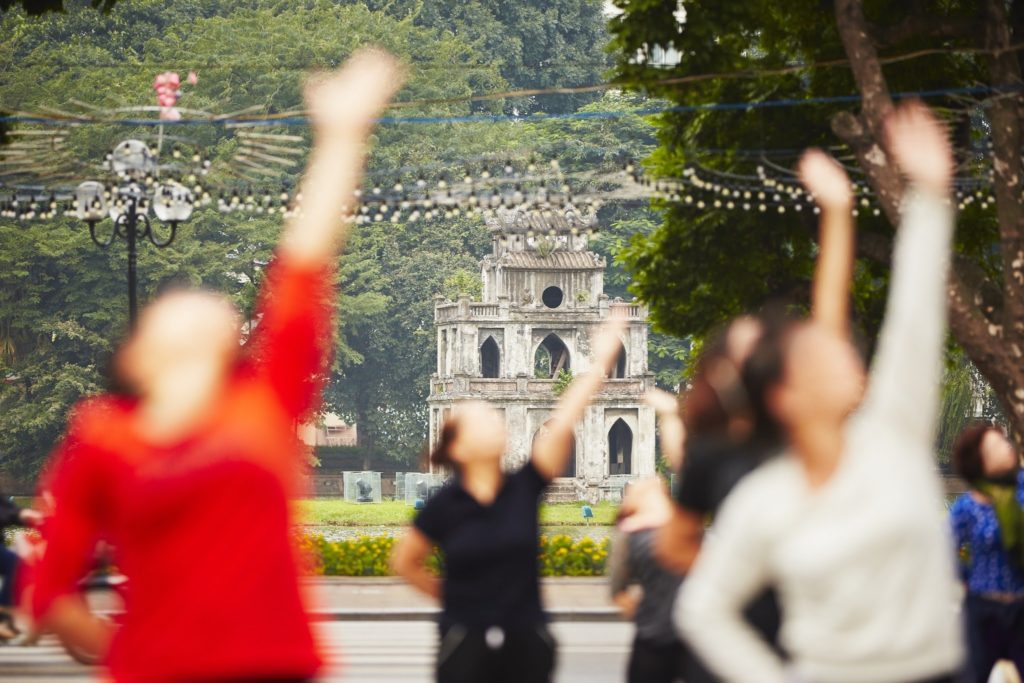
- Hanoi: The capital is bustling and full of energy. Streets are busy and the markets are lively. While it can feel chaotic at first, Hanoi is considered the safest city for tourists.
Keep an eye on your belongings in crowded areas and follow locals when crossing streets.
- Ho Chi Minh: Known for its lively nightlife and bustling streets, Ho Chi Minh City is generally safe for tourists. Petty crimes like pickpocketing can still happen though, so it’s best to stay aware of your surroundings.
Using Grab or licensed taxis is recommended, especially at night.
- Da Nang: Clean, relaxed and modern, Da Nang is one of the safest cities in Vietnam. Beaches and public areas are well-maintained, and locals are friendly.
Traffic is calmer than in Hanoi or Ho Chi Minh City, but it’s still important to watch out for scooters when crossing roads.
- Hoi An: This charming town is peaceful and very tourist-friendly. Walking around the Old Town during the day or evening feels safe, and scams are rare.
Hoi An is perfect for travellers seeking a slower pace and a relaxed atmosphere.
- Phu Quoc: The island paradise is ideal for families and beach lovers. Most tourist areas are safe, and crime rates are low.If you plan to rent scooters to explore, stick to well-known areas and take normal safety precautions, especially after dark.
- Ha Long Bay: Famous for its stunning cruises, Ha Long Bay is safe when booking licensed tours. Always wear life jackets and follow guides’ instructions.The waters and scenery are beautiful, and incidents are rare when proper safety measures are taken.
- Sapa: For those heading to the mountains, Sapa is generally safe. Trails can be uneven and weather unpredictable, so wear proper gear and consider hiring a local guide for trekking.The locals are welcoming, and serious incidents involving tourists are very rare.
Common Travel Risks in Vietnam
While Vietnam is generally safe, there are a few things to be aware of. These risks are considered “low-level” in nature, but they can still affect your trip.
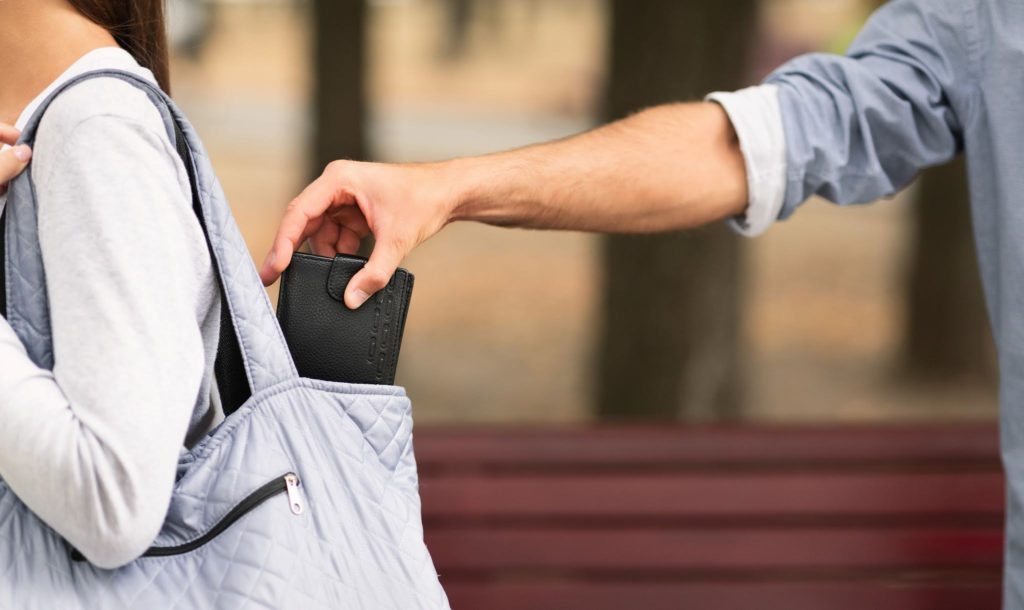
- Petty theft, such as pickpocketing or bag snatching can happen in busy areas like markets and crowded streets. This tends to happen more during holidays like New Year and Lunar New Year (Tet).
It’s nothing out of the ordinary compared to other places, but it’s still a good idea to stay alert.
- Traffic is something that catches travellers off guard, especially Singaporeans. Vietnamese roads are infamously chaotic, especially in big cities like Hanoi and Ho Chi Minh.
This is largely caused by dense motorbike traffic and unconventional driving styles. Crossing roads can also feel overwhelming at first, but remember to keep calm and do as the locals.
- Scams do exist, but they’re usually small and avoidable. This includes your regular overpriced taxis, fake tour operators or inflated tourist prices.
Booking rides through apps like Grab or having a trusted local to show you around the place can help minimise these risks.
- Corruption and bribery are fairly common, but they mostly happen to locals. This is largely due to bureaucratic processes in certain government settings. It’s unlikely to run into these issues as tourists, but we reckon it’s still worth noting.
Health and Hygiene in Vietnam
Healthcare in major cities is standard, with international clinics and hospitals available. Travel insurance is still recommended however, especially for emergencies or unexpected medical needs.
Food hygiene is generally good, and yes, street food is safe most of the time. Stick to stalls that are busy with people, as this likely means fresher food. If you have a sensitive stomach, ease into the local food and avoid drinking tap water. Bottle water is cheap and widely available.
Pollution in Vietnam
Vietnam is known for its widespread pollution. The air quality index can become alarmingly high in cities like Hanoi and Ho Chi Minh. This will likely trigger asthma and allergy symptoms, so remember to bring your inhaler and medications.
Wearing a face mask is also recommended especially if you’re walking around major cities.
Heat in Vietnam
The heat in Vietnam can be unbearable even for Singaporeans and Southeast Asians in general. Temperatures can reach up to 35–40°C during peak summer months, especially in the south around Ho Chi Minh.
Humidity can make it feel even hotter, increasing the risk of dehydration and heat stroke. Remember to drink plenty of water and consider using sun block to protect yourself from sun burn.
So, Is It Safe to Travel to Vietnam?
In short, Vietnam is a safe and enjoyable destination for Singapore travellers or any other tourist for that matter. Like anywhere else, it’s important to stay vigilant when you’re in crowded places or on the roads.
The risks you’ll encounter are mostly minor and very similar to what you’d expect in other popular travel spots. Ultimately, Vietnam offers incredible value for good food, beautiful landscapes and friendly people.
Planning a trip to Vietnam? Check out our tours for a fuss-free way to explore the country or contact us to find out more!