Planning your Vietnam travel budget from Singapore does not have to feel overwhelming. Vietnam is known for being affordable, but how much you actually spend depends on the way you travel.
In this guide, you will find a clear breakdown of realistic costs in SGD for a 5–7 day trip. Whether you are heading to Hanoi, Ho Chi Minh City, Da Nang, or Hoi An, you will learn how to plan your spending, where your money goes, and how to avoid hidden costs when travelling.
Need help with your Vietnam travel plans? Reach out to 96 Travel Agency via call, WhatsApp, email, or our online contact form for more enquiries!
How Much Should You Budget for Your Vietnam Trip?
If you are travelling from Singapore for 5–7 days, your Vietnam travel budget will usually fall within one of these ranges:
- Budget trip: $600–$900
- Mid-range trip: $1,000–$1,800
- Luxury trip: $2,500+
These estimates include flights, accommodation, food, local transport, and activities. They do not include shopping or major splurges.
Most Singaporeans sit in the mid-range bracket, which typically covers a private hotel room, guided tours such as Ha Long Bay, regular Grab rides, and room for café visits without constant cost tracking.

A. Flights from Singapore to Vietnam
Flights will usually take up the largest portion of your Vietnam travel budget, especially for shorter trips. From Singapore, you can expect:
- Budget airlines: $150–$350
- Full-service carriers: $400–$700+
Airfare depends largely on timing. If you travel during school holidays, June, or December, fares tend to rise due to demand. In contrast, shoulder months such as April, May, September, and November often offer lower prices.
Booking one to three months in advance usually helps you secure better rates, while last-minute purchases limit your options. Direct flights are widely available, but in some cases, planning a multi-city route can reduce overall costs.
As a rule, allocate 20–40% of your total Vietnam travel budget to flights. If you secure a low fare, you free up more room for accommodation and experiences.
B. Accommodation Costs
Accommodation will likely be the second largest part of your Vietnam travel budget. Your total spend depends on the type of stay you choose and the city you visit.
Budget Options
- Hostels: $10–$25 per night
- Budget hotels: $25–$60 per night
These are widely available in Hanoi, Ho Chi Minh City, Da Nang, and Hoi An. Hostels suit solo travellers, while budget hotels offer private rooms at a low cost. Even at this level, most properties provide air-conditioning and WiFi.
Mid-Range Hotels
- 3–4 star hotels: $60–$150 per night
Mid-range hotels give you a private room, daily housekeeping, and central locations without pushing your overall Vietnam travel budget too high. For a 6-night stay at $90 per night, your total would be: $540.
Luxury Stays
- Resorts and boutique hotels: $200–$600+ per night
These include beachfront resorts in Da Nang or premium properties in Ho Chi Minh City. However, prices may rise during peak seasons and public holidays.
To save on accommodation, start by comparing hotels in different districts rather than just the city centre. Choose a property with similar ratings slightly outside the main tourist area, then book early to secure the lowest nightly rate.
C. Food & Dining Budget
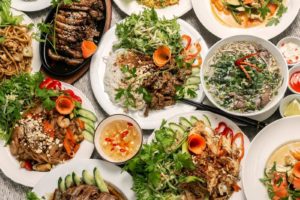
Eating in Vietnam can be part of the adventure, and your daily food spend will vary depending on where you choose to eat. Let’s break down what to expect.
Street Food
- Cost: $2–$5 per meal
Street food is everywhere and fresh. Dishes like pho, banh mi, and rice plates are cheap, filling, and widely available. This is the most cost-efficient way to eat and perfect for budget travellers.
Casual Restaurants
- Cost: $6–$15 per meal
Local restaurants offer sit-down meals with more variety. You can try regional specialties such as bun cha in Hanoi or com tam in Ho Chi Minh City. Portions are larger than street food and still inexpensive.
Cafés & Rooftop Bars
- Cost: $10–$25 per visit
Vietnam has a strong café culture. A cup of Vietnamese coffee or a small meal at a rooftop café will cost more than street food but remains affordable compared to Singapore prices. This option suits mid-range travellers who want comfort and atmosphere.
Suggested Daily Food Budget
- Budget: $15–$25 per day
- Mid-range: $30–$50 per day
- Higher comfort: $60+ per day
This estimate allows you to mix meals. For example, street food for lunch, a casual restaurant for dinner, and a coffee stop in between. Planning your food budget helps keep your Vietnam travel budget predictable and ensures you won’t overspend.

D. Local Transport Costs
If your itinerary covers North, Central, and South Vietnam, allocate more of your budget to transport. Booking in advance for flights or trains can reduce costs and avoid last-minute stress.
Within Cities
- Grab rides: $3–$10 per trip
Grab is widely used in Hanoi, Ho Chi Minh City, and Da Nang. It’s convenient for short trips, airport transfers, or when you’re carrying luggage.
- Motorbike taxis: cheaper alternative
Motorbike taxis are faster in traffic and usually cheaper than Grab cars, but carry only one passenger and a small bag.
- Public buses: under $1 per ride
The local bus system covers most city routes and is extremely budget-friendly, though it can be slower and less comfortable than other options.
Between Cities
- Domestic flights: $40–$120
Flying is the fastest way to cover long distances, such as Hanoi to Ho Chi Minh City, and often costs less than train tickets when booked early.
- Sleeper trains: $30–$80
Overnight trains save on accommodation and let you see the countryside. Prices depend on the class of berth.
- Private car transfers: $80+
Hiring a car with a driver is convenient for smaller groups or trips to destinations like Ha Long Bay or Ninh Binh.
E. Activities & Tours
Activities can account for 15–25% of your total Vietnam travel budget. Plan which tours matter most to you and factor in any premium experiences early, so you can adjust other costs like accommodation or food accordingly.
Typical Costs
- City tours: $20–$50
Explore landmarks, markets, and cultural sites with a guide. Small group tours often include transport and a local expert.
- Ha Long Bay cruises or day trips: $80–$200
A full-day or overnight cruise is popular for first-time visitors. Prices vary depending on inclusions like meals, kayaking, or cabin type.
- Cooking classes: $40–$90
Learn to make local dishes such as pho, spring rolls, or banh xeo. Classes often include a market visit and ingredients.
- Entrance tickets: $2–$15
Temples, museums, and parks usually charge a small fee, making sightseeing affordable even on a budget.
- Travel Insurance
When choosing a travel insurance policy, check exactly what is covered and pick one that protects the parts of your Vietnam travel budget that matter most. For example, if you’re booking expensive tours or internal flights, make sure cancellations are included.
- Typical Costs
Estimated cost: $20–$60 for a 5–7 day trip
Coverage usually includes:
- Medical expenses
- Flight delays or cancellations
- Lost or delayed luggage

Hidden Costs Many Travellers Forget
Even if you plan well, small expenses can quickly add up. Being aware of them helps you avoid surprises in your Vietnam travel budget.
Common Hidden Costs
- Airport transfers
Taxis or Grab rides to and from the airport can cost more than you expect, especially with luggage or in peak hours.
- ATM withdrawal fees
Using foreign ATMs often comes with fixed fees or percentage charges. Plan how much cash to withdraw to minimise extra costs.
- Currency exchange spreads
Exchanging money at airports or tourist areas can be less favourable. Check rates in advance or use local banks when possible.
- Café hopping
Stopping at coffee shops may seem small, but multiple visits per day add up quickly.
- Souvenirs
Local crafts and gifts are tempting, so budget for any shopping you plan to do.
Set aside a buffer of $100–$300 to cover these hidden costs. Having a small reserve ensures your main budget stays on track and gives you flexibility for unplanned experiences.
Conclusion
The key is balance. Plan ahead, allocate enough for each category, and keep a small buffer for unexpected expenses. When you know what to expect and where your money goes, your Vietnam travel budget becomes clear, and the trip itself becomes easier to enjoy.
Need help with your Vietnam travel plans? Reach out to 96 Travel Agency via call, WhatsApp, email, or our online contact form for more enquiries!