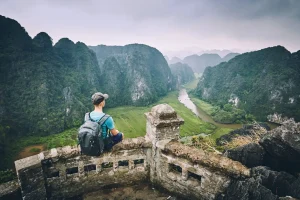
Vietnam is one of the most visited countries in Southeast Asia, and for good reason. It has lively cities, calm countryside, incredible food, and kind people. You can explore ancient temples, walk along beaches, visit markets, or enjoy the mountain air.
In this guide, you’ll discover the 15 best places to visit in Vietnam. Each one shows a different side of the country, all worth exploring in your own time.
Discover these 15 places to visit in Vietnam and start planning your unforgettable journey today. Reach out to 96 Travel Agency via call, WhatsApp, email, or our online contact form for more enquiries!
What Vietnam Is Like: Culture, Climate & Character
Vietnam stretches from the border of China down to Cambodia. It’s a long, narrow country that runs for about 1,600 kilometres and is home to more than 100 million people. As you travel across it, you’ll see how the scenery shifts from misty mountains in the north to sandy beaches in the centre and quiet river plains in the south.
Culture and People
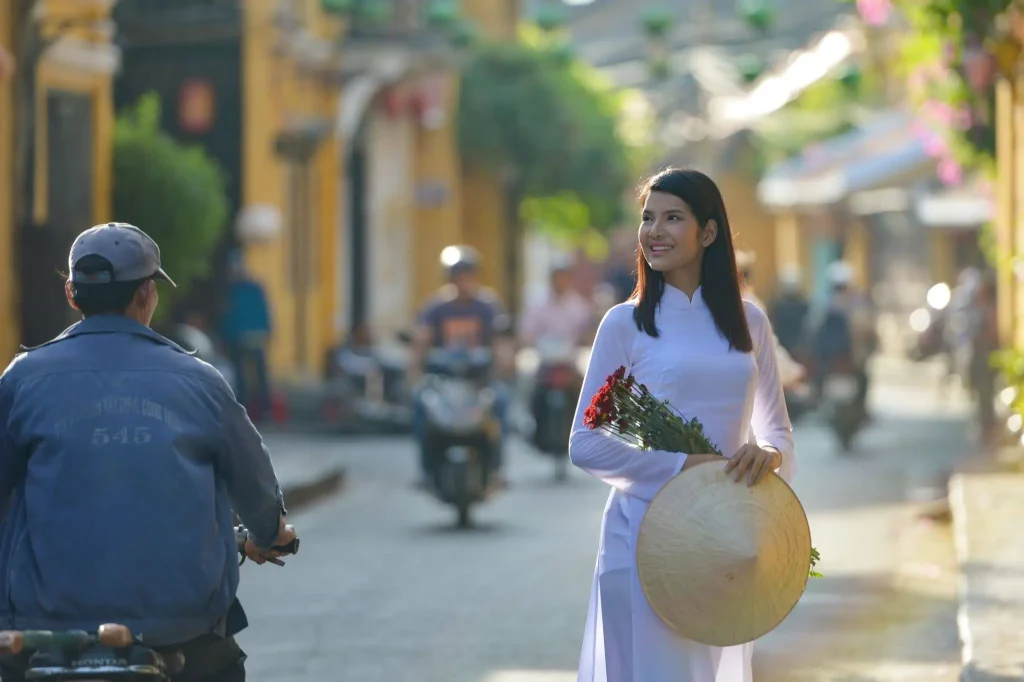
Vietnamese life is deeply shaped by Confucian and Buddhist values, where family, respect, and community come first. Locals are warm and approachable, often happy to share stories or offer help to visitors.
Throughout the year, vibrant celebrations such as Tet, the Lunar New Year, and the Mid-Autumn Festival bring people together, showing how much joy and tradition still shape daily life in Vietnam.
Cuisine and Flavours
Food is a central part of Vietnamese culture and identity. Every meal aims for balance and freshness. In the north, dishes are simple and clear in flavour, such as pho and bun cha.
Central Vietnam is known for its bold and spicy dishes like bun bo Hue and mi quang. In the south, food tends to be richer and slightly sweet, with favourites such as banh xeo and com tam. Street food and coffee stalls are everywhere, serving as the social heart of daily life.
Weather and Best Time to Visit
The climate changes from region to region. The north has four seasons, with cool winters and warm summers. Central Vietnam stays dry from February to August, while the south enjoys a tropical pattern with dry months from December to April and rain from May to November.
The best time to visit is between March and April or October and November when the weather is comfortable throughout most of the country.
Modern Yet Traditional
Cities like Hanoi and Ho Chi Minh City reflect Vietnam’s fast growth and youthful energy. Yet traditional markets, temples, and village gatherings remain part of everyday life. This mix of urban progress and tradition gives the country a distinctive atmosphere where modern life and cultural roots live side by side.
With that glimpse into Vietnam’s culture and way of life, let’s explore 15 unforgettable places that capture Vietnam’s beauty and spirit.
15 Places to Visit in Vietnam
Northern Vietnam: Cultural Heritage & Scenic Landscapes
1. Hanoi – The Timeless Capital
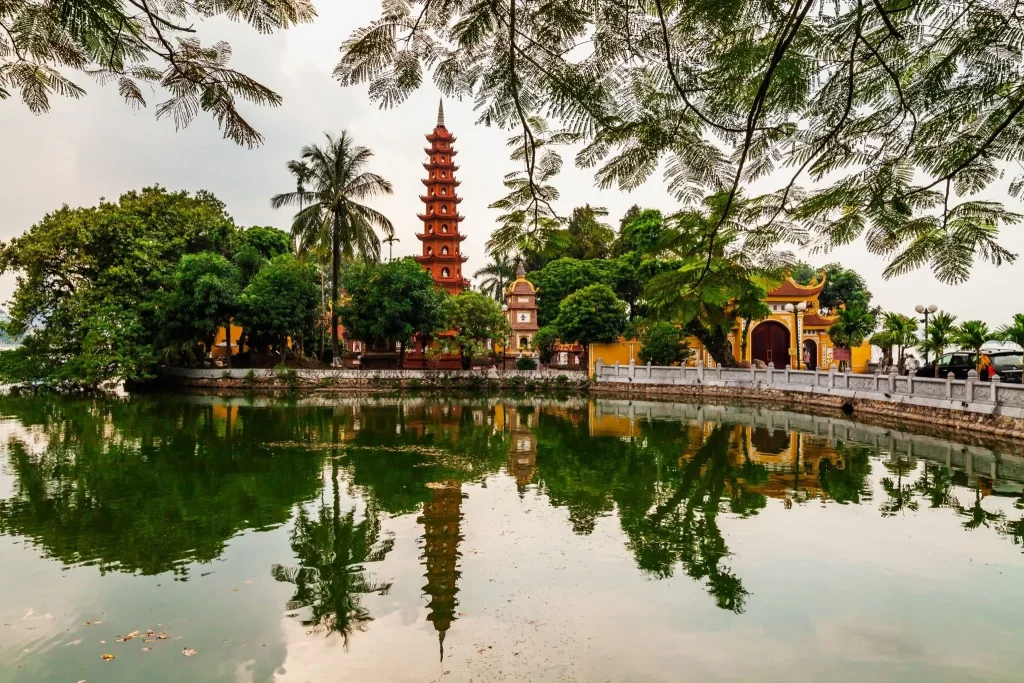
Hanoi sits about 45 minutes from Noi Bai International Airport, right in the north of Vietnam. It’s a lively capital surrounded by lakes, tree-lined streets, and old French-style buildings. You’ll find temples, museums, and markets all within walking distance.
The Old Quarter is the main spot as it has narrow lanes filled with local shops, street food, and cafés serving strong Vietnamese coffee. Evenings are best spent by Hoan Kiem Lake, enjoying a bowl of pho or a cup of egg coffee while watching the city wind down.
2. Ha Long Bay – A UNESCO Wonder
Ha Long Bay sits about three hours east of Hanoi, near the Gulf of Tonkin. It’s a coastal area made up of limestone islands, calm waters, and hidden caves, one of Vietnam’s most famous natural landmarks.
The bay is known for its scenic cruises and peaceful atmosphere. Visitors can take a day trip or stay overnight on a boat, kayak through limestone formations, or explore caves like Sung Sot and Thien Cung.
Most people come to unwind, watch the sunset from the deck, and enjoy fresh seafood right on the water. It’s a relaxing break from the city and a must-see for anyone visiting northern Vietnam.
3. Sapa – Mountains and Ethnic Villages
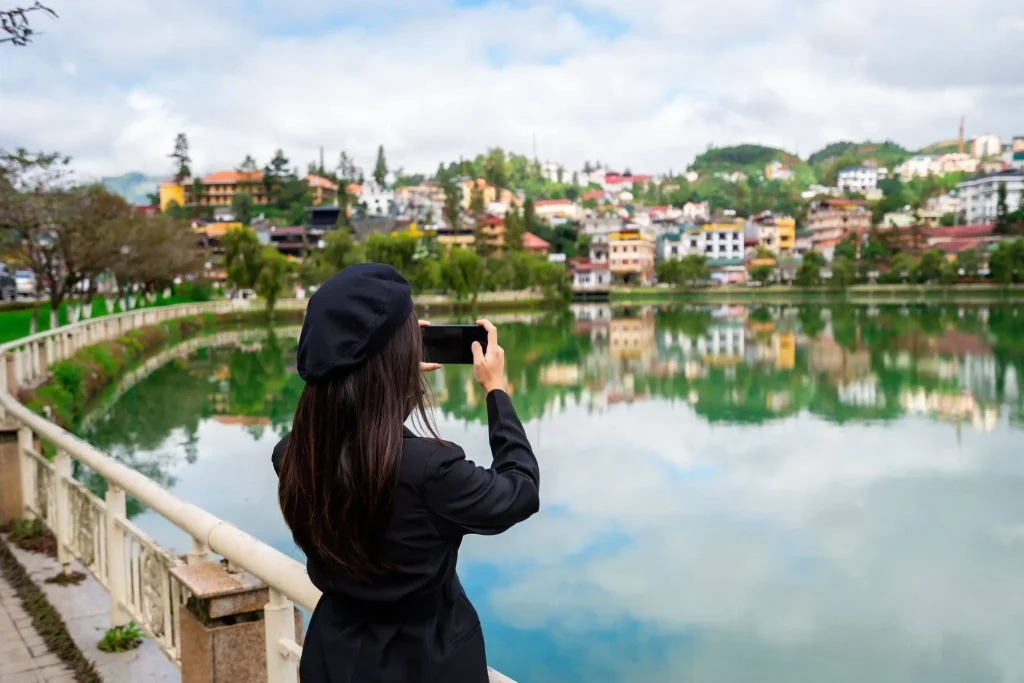
Sapa sits about 320 kilometres northwest of Hanoi, near the border with China. It’s a cool mountain town surrounded by terraced rice fields, misty valleys, and scenic peaks.
The area is known for its hill tribes, colourful markets, and breathtaking views of the Hoang Lien Son range. Visitors usually trek through the Muong Hoa Valley, visit local villages like Cat Cat and Ta Van, or take the cable car to the top of Mount Fansipan.
4. Ninh Binh – “Ha Long Bay on Land”
Just a short two-hour drive south of Hanoi, Ninh Binh feels like a peaceful retreat from the city’s fast pace. It’s where limestone cliffs rise above emerald rice fields and slow-moving rivers weave through caves and ancient temples.
This region is home to scenic spots like Trang An, Tam Coc, and Bai Dinh Pagoda, each offering a glimpse of Vietnam’s countryside charm.
Central Vietnam: History, Architecture & Beaches
5. Hue – The Imperial City
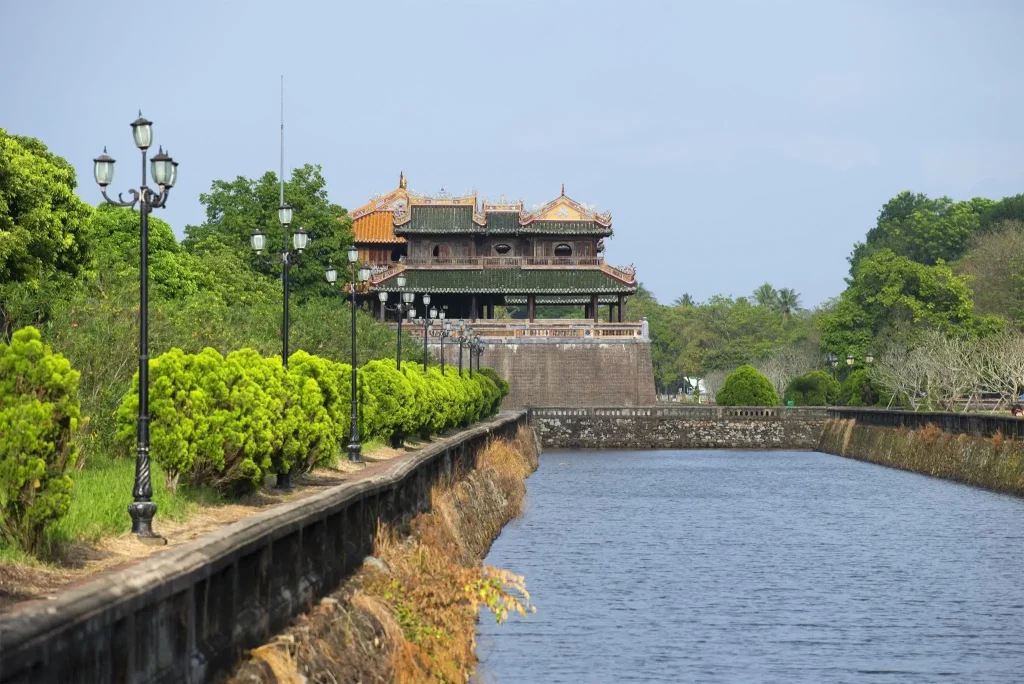
Hue sits along the Perfume River in central Vietnam, around three hours north of Da Nang. It’s easy to reach by train or car, especially if you take the scenic Hai Van Pass route that opens up to ocean and mountain views.
The city is home to the Imperial Citadel, a vast complex of royal palaces, temples, and gates that once housed Vietnam’s emperors. Around the outskirts, you’ll find the famous royal tombs and Thien Mu Pagoda standing gracefully by the river.
6. Da Nang – Modern City by the Sea
Da Nang sits right between Hue and Hoi An, just a short 30-minute drive from the ancient town and an easy flight from Hanoi or Ho Chi Minh City. Its location makes it the perfect coastal stop for travellers exploring central Vietnam.
The city blends urban living with natural beauty. You’ll find wide beaches like My Khe and Non Nuoc, the Marble Mountains rising dramatically nearby, and the Han River cutting through the city with its famous Dragon Bridge lighting up every night.
7. Hoi An – Ancient Town of Lanterns
Just 30 minutes south of Da Nang, Hoi An is located along the Thu Bon River. Its old streets, lined with mustard-yellow shop houses and hanging lanterns, make it one of Vietnam’s most photographed towns. Despite its popularity, Hoi An keeps an old-world charm that draws travellers back time and again.
The town is a UNESCO World Heritage Site, famous for its blend of Chinese, Japanese, and French architecture. At night, the streets glow with colourful lanterns, reflecting off the water and giving the whole town a soft, romantic feel.
8. Phong Nha – Ke Bang National Park
Tucked away in Quang Binh Province, about 45 km northwest of Dong Hoi City, Phong Nha–Ke Bang National Park feels like another world entirely. This UNESCO World Heritage Site is home to some of the largest and oldest karst formations in Asia, along with vast underground rivers and hundreds of caves.
The most famous and the world’s largest is Son Doong Cave, but travellers also explore Paradise Cave, Phong Nha Cave, and Dark Cave for their stunning rock formations and underground lakes.
Southern Vietnam: Urban & Island Escapes
9. Ho Chi Minh City (Saigon) – The Beating Heart of the South
Located in southern Vietnam, about 1 hour’s flight from Hanoi, Ho Chi Minh City (still called Saigon by locals) is where modern Vietnam shows its historical side.
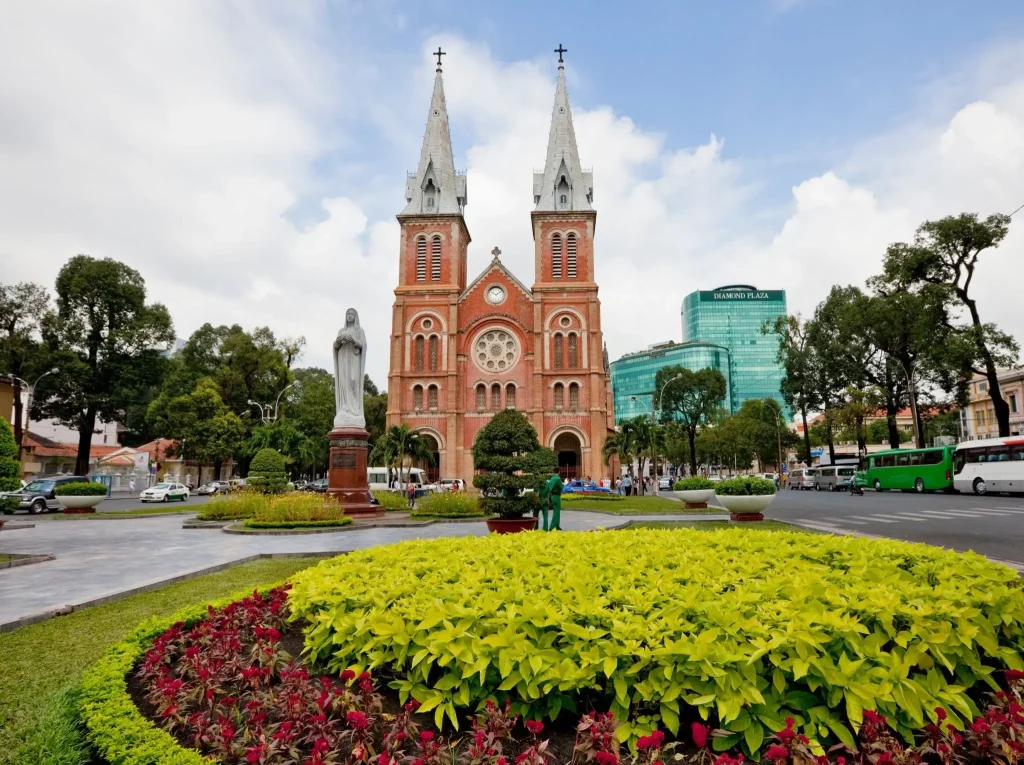
The city’s highlights include the Notre-Dame Cathedral Basilica, Ben Thanh Market, and the War Remnants Museum, each reflecting a different layer of its complex history. Beyond the centre, districts like Thao Dien and District 3 reveal the local lifestyle through cafés, art spaces, and boutique shops.
10. Mekong Delta – Floating Life on the Water
Stretching across Vietnam’s southwest, about three hours’ drive from Ho Chi Minh City, the Mekong Delta unfolds like a vast maze of rivers, canals, and rice paddies. This region is known as Vietnam’s “rice bowl,” producing most of the country’s rice and tropical fruit.
But what makes it truly special is its floating life with the markets, homes, and even schools built on the water. Cai Rang and Cai Be are among the most famous floating markets, where boats packed with fresh produce trade at dawn in a lively dance of colours and sounds.
11. Phu Quoc Island – Beach Paradise
Lying off Vietnam’s southwest coast, just a short flight from Ho Chi Minh City, Phu Quoc Island welcomes travellers with clear waters and long stretches of soft sand. Phu Quoc is known for its palm-lined beaches, coral reefs, and fresh seafood.
Long Beach and Sao Beach are favourites for sunseekers, while the island’s national park covers dense jungle and hiking trails. Its fishing villages, like Ham Ninh, still keep their charm, offering a glimpse of everyday island life.
12. Can Tho – The Delta’s Largest City
Set in the heart of the Mekong Delta, about 170 km southwest of Ho Chi Minh City, Can Tho is the region’s lively centre.
Can Tho is best known for its floating markets, especially Cai Rang, where boats gather at sunrise to trade fruits, vegetables, and local goods. The city also has a scenic riverside promenade, old temples, and a growing café scene that gives it a relaxed yet energetic feel.
13. Con Dao Islands – Hidden Gem for Nature Lovers
About 230 km from Ho Chi Minh City, the Con Dao Islands is located off Vietnam’s southern coast, where you can reach them by a short flight from the city or a ferry from Vung Tau. This small archipelago is known for its pristine beaches, coral reefs, and protected marine life.
Much of it belongs to Con Dao National Park, home to sea turtles, tropical forests, and clear waters perfect for diving and snorkelling. The main island, Con Son, also holds traces of history with its old French prison buildings and solemn memorial sites.
Off the Beaten Path Destinations
14. Dalat – The City of Eternal Spring
Located in Vietnam’s Central Highlands, about 300 km northeast of Ho Chi Minh City, Dalat sits 1,500 metres above sea level, surrounded by pine forests and rolling hills. Dalat is known for its French-colonial villas, flower gardens, and misty lakes.
The city’s central Xuan Huong Lake and Valley of Love draw visitors year-round, while its farms grow strawberries, coffee, and hydrangeas. The temperate climate keeps the landscape green throughout the year, earning it the nickname “City of Eternal Spring.”
15. Ha Giang Loop – Vietnam’s Most Scenic Drive
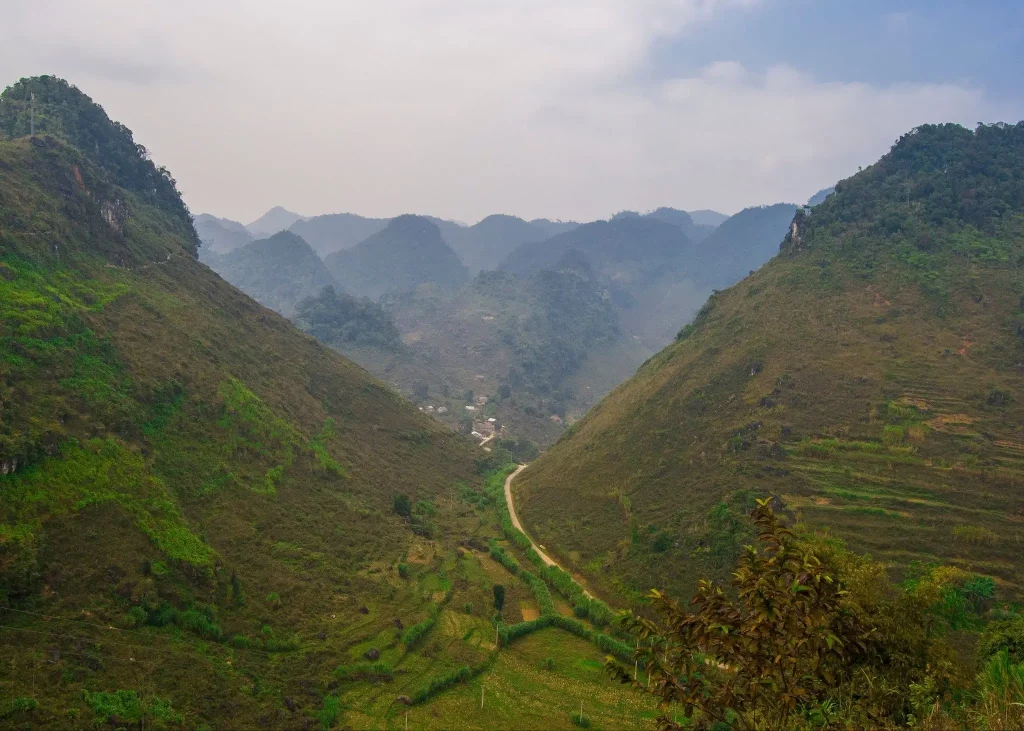
Found in Vietnam’s far north, the Ha Giang Loop winds through towering limestone mountains and remote ethnic villages near the Chinese border. The journey begins in Ha Giang City and stretches over 350 km of winding roads that reveal some of the country’s most dramatic scenery.
This region is known for its rugged beauty with its deep valleys, twisting mountain passes, and terraced rice fields that change colour with the seasons. The Dong Van Karst Plateau, a UNESCO Global Geopark, is one of the main highlights, showcasing ancient rock formations and breathtaking viewpoints.
Practical Travel Tips
Getting Around
Travelling in Vietnam is simple and affordable. Domestic flights connect major cities such as Hanoi, Da Nang, and Ho Chi Minh City. Trains offer scenic rides along the coast, while buses and minivans reach smaller towns. In cities, motorbikes are a common choice for short trips, but taxis and ride-hailing apps are safer for visitors.
Visa and Entry
Most travellers can apply for an e-visa online, which allows a stay of up to 30 days. The process is quick, and approval usually arrives within a few days. Always check the latest visa rules before travelling, as requirements can change.
Money and Connectivity
Vietnam’s currency is the Vietnamese dong. Cash is still widely used, especially in smaller towns and markets, though credit cards are accepted in hotels and restaurants. ATMs are easy to find. For mobile data, buy a local SIM card at the airport or convenience stores for reliable internet access throughout your trip.
Cultural Etiquette
A few simple gestures go a long way. Greet people with a smile or a slight nod. Wear modest clothing when visiting temples or rural areas. Bargaining is normal in markets, but do it politely and with a friendly tone. Removing shoes before entering homes or pagodas is also common.
Safety and Health
Vietnam is generally safe for travellers. Pickpocketing can happen in crowded places, so keep valuables close. Drink bottled water and choose busy food stalls for the freshest meals. Travel insurance is recommended, especially if you plan to ride motorbikes or take part in outdoor activities.
Final Thoughts
Discover these 15 places to visit in Vietnam and start planning your unforgettable journey today. Reach out to 96 Travel Agency via call, WhatsApp, email, or our online contact form for more enquiries!