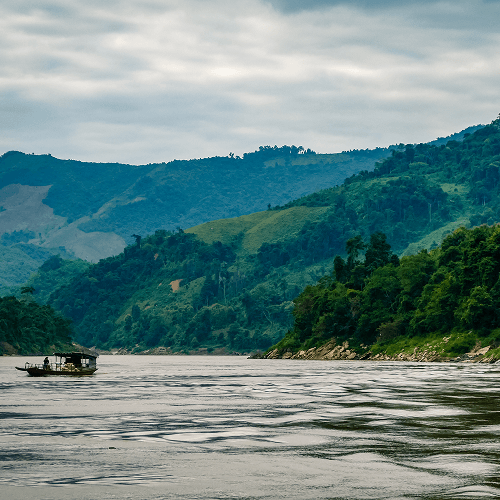
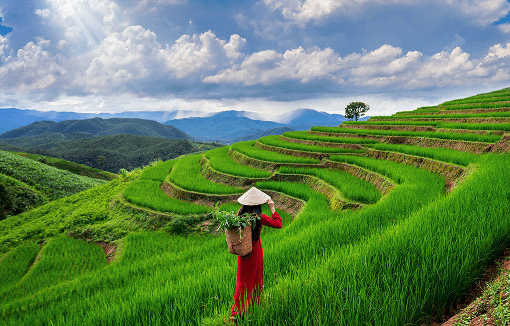
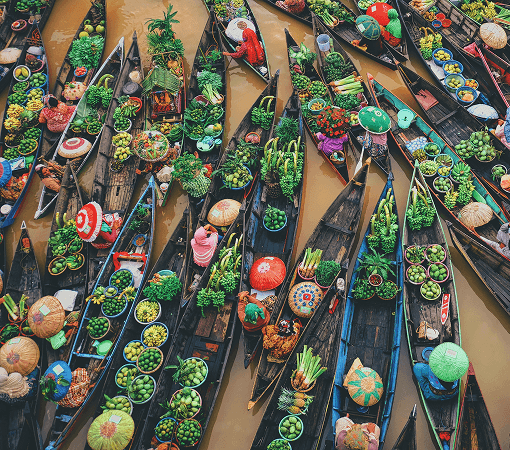
The Mekong River is one of the most famous waterways in Southeast Asia, and a must-visit for any traveller who wants to experience authentic culture, emerald rice paddies, floating markets and rural Vietnamese charm. The winding waterways pass through six countries, then drain into southern Vietnam and empty into the South China Sea. The Mekong River supports millions of people while providing tourists with an exceptional opportunity to see the culture of the delta.
For those planning a Vietnam holiday, a Mekong River adventure is perfect for discovering local villages, fruit orchards, river cruises, traditional crafts, and vibrant floating markets.
👉 Plan your Vietnam holiday today and experience the perfect blend of tradition, history, and modern attractions.
Quick Intro To Mekong River
Essential Travel Information
Capital: Southern Vietnam
Main Region: Mekong Delta
Nearest Major City: Ho Chi Minh City
Famous For: Floating markets, canals, rice fields
Travel Essentials
Best Time to Visit: November to April
Time Zone: UTC +7
Currency: Vietnamese Dong (VND)
Language: Vietnamese
Electricity: 220V (Plug types A, C, F)
Money Tips
Cash useful in local markets
Small notes handy for vendors
Cards accepted in hotels & larger shops
ATMs available in towns and cities
Bargaining common in markets
Getting Around
Ho Chi Minh City to Delta: 1.5–3 hours by road
Boat tours popular for sightseeing
Private car and bus available
Speedboat options on selected routes
Cycling common in rural villages
Quick Travel Tips
Visit floating markets early morning
Bring sunscreen and insect repellent
Wear light clothing in humid weather
Carry cash for snacks and souvenirs
Keep camera ready for river views
Overview of The Mekong Delta
The Mekong River was formed deep in the Tibetan Plateau and flows an amazing 4,350 kilometres through China, Myanmar, Thailand, Laos and Cambodia before finally reaching Vietnam. The river splits into a complex web of nine large distributaries, hence the name Nine Dragon River Delta.
The Vietnamese part alone covers an area of approximately 39,000 square kilometres, making it the largest plain in Southeast Asia and the most fertile part of Vietnam. It splits into two main streams, which are the Tiền River (Front River) and the Hậu River (Back River), then divides into smaller streams.
The Mekong Delta has a population of over 19 million people, which is among the world’s most densely populated rural areas. Although the majority of the population is ethnic Vietnamese (Kinh), there are also large groups of Khmer (Cambodian), Hoa (Chinese), and Cham populations.
History of The Mekong Delta
Ancient Roots and the Funan Kingdom
The Mekong Delta is more than 2000 years old. The archeological findings of Óc Eo show that the region was the heart of the Funan Kingdom (1st to 6th century CE), a strong maritime empire that governed the trade routes of Southeast Asia.
Khmer Rule and Vietnamese Expansion
Between the 7th and 17th centuries, the region was referred to as Khmer Krom (Lower Cambodia) of the Khmer Empire. Vietnamese migration started in 1620, and by 1698, a Vietnamese noble, Nguyễn Hữu Cảnh managed to create a formal Vietnamese administrative system, making the delta a part of Vietnam.
French Colonial Era
In the 1860s, the delta was incorporated into French Cochinchina, which was the first French colony in Vietnam following the Cochinchina Campaign. The French made the area a farming giant, building an extensive system of canals.
The Vietnam War
The complex and dense waterways of the delta served as perfect hideouts for Viet Cong guerrillas during the Vietnam War. Meanwhile, the Mobile Riverine Force, deployed by the United States, utilised hovercrafts and speedboats, resulting in fierce battles fought throughout the region.
Post-War Reunification
The Mekong Delta was completely reunified with Vietnam after the fall of Saigon in 1975. Since then, it has evolved into the agricultural centre of the country, producing more than half of Vietnam’s rice, as well as a popular tourist destination.
Top Things to Do and Attractions in Mekong River
Visit the Floating Markets
Cai Rang Floating Market is about 6 kilometres away from the Cần Thơ city centre and can be reached by a 30-minute boat ride from Ninh Kieu Wharf. This is the most bustling floating market in the Mekong Delta, with 300 to 400 vendors selling items like fruits and agricultural products displayed on tall poles visible from far away.
For a calmer floating market experience, visit the Phong Dien Floating Market in Cần Thơ. It is situated on a tiny channel that is approximately 2 kilometres off the Can Tho River and relatively less commercialised, thus providing visitors with a closer look at the daily life of the locals in the Mekong Delta.
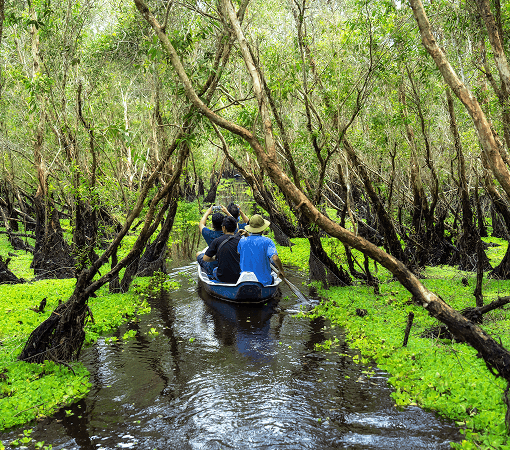
Go Birdwatching at Tra Su Cajuput Forest
Tra Su Cajuput Forest is a spectacular eco-tourism site, known for its unbeatable biodiversity in the Mekong Delta. It is located in An Giang Province, some 23 kilometres from Chau Doc.
The wetland forest, which is about 850 hectares in size, hosts more than 70 species of birds like painted storks, egrets, ibises, and herons. This is the perfect place to visit for bird lovers.
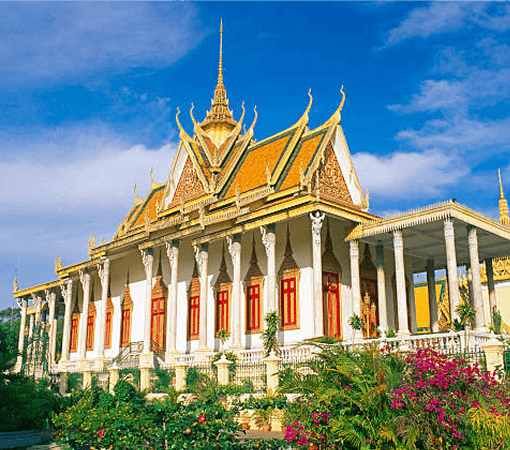
Explore Khmer Pagodas
A large Khmer population resides in the Mekong Delta, especially in the provinces of Trà Vinh, Sóc Trang and An Giang.
Experience the majestic Khmer pagodas to get a glimpse into the area’s multicultural heritage.
Some of the most remarkable examples of the Khmer Buddhist architecture here include Chua Droid (Bat pagoda) in Soc Trang and Angkor Chum in Travinh.
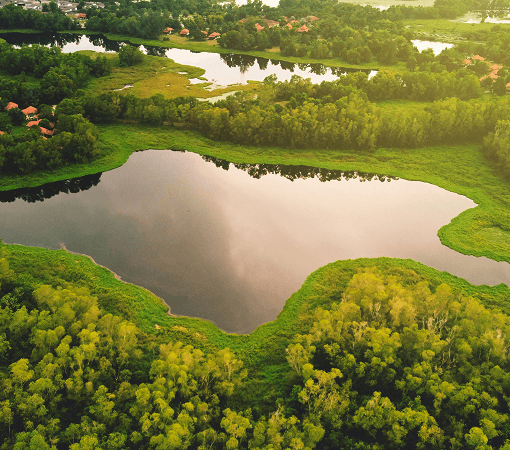
Watch Cranes at Tram Chim National Park
Tram Chim National Park is a 7,313-hectare wetland reserve in the Đồng Tháp Province, one of the few remaining remnants of the Plain of Reeds.
The park also boasts a Sarus Crane (Grus antigone) population, one of the rarest species of cranes in the world. These magnificent birds can mostly be seen in flocks in the dry months (December to April).
Must-Try Local Mekong River Specialties
(Source: Unilever Food Solutions)
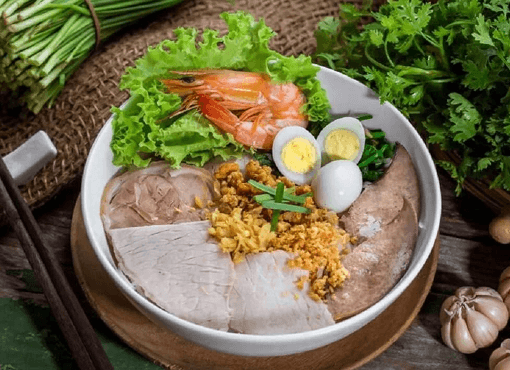
Hủ Tiếu (Southern Vietnamese Noodle Soup)
The noodle soup of the South. Characterised by a clear, slightly sweet pork bone broth with thin, chewy rice noodles, pieces of tender pork, juicy shrimp, and occasionally quail eggs.
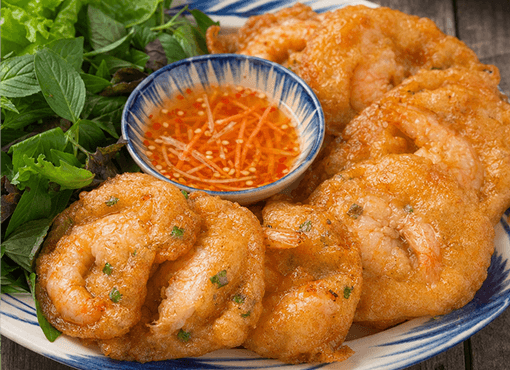
Bánh Cống (Mekong-Style Fried Cake)
A signature deep fried Mekong Delta dish, with rice flour and coconut milk batter, stuffed with ground pork and mung beans, and topped with a whole shrimp. They are usually served with fresh, aromatic herbs and a tangy-sweet fish sauce.
(Source: Asian Inspirations)
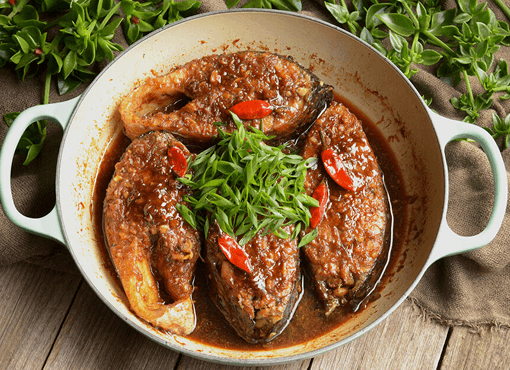
Cá Kho Tộ (Caramelised Fish in Clay Pot)
A typical Southern Vietnamese food where fresh snakehead or catfish is baked in a clay pot with caramel sauce, fish sauce, black pepper and coconut water. The result is a tender, sweet and savoury, glazed fish.
(Source: Toplist.VN)
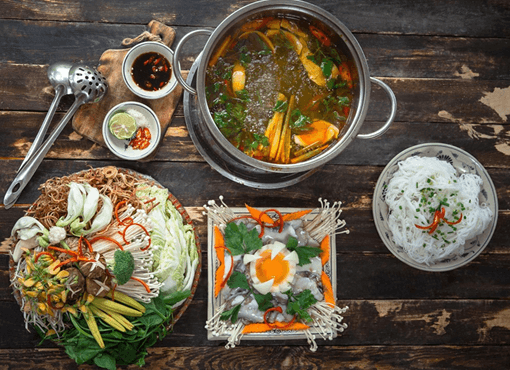
Lẩu Mắm (Fermented Fish Hotpot)
The most typical food of the delta. Cooked with fermented fish paste, this hotpot is spicy, multifaceted and extremely comforting. It is usually made of snakehead fish, shrimp, squid, pork belly and wild vegetables.
(Source: Mekong Delta Tours)
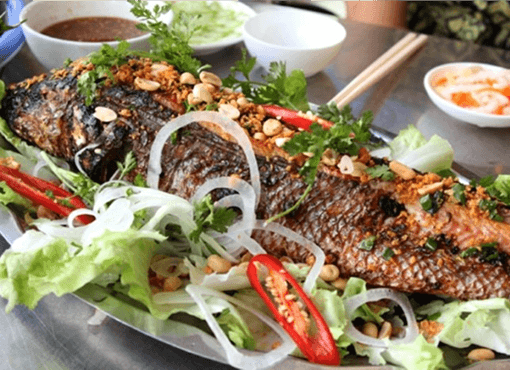
Chả Cá Đồng (Grilled Snakehead Fish)
This is a local favourite snakehead fish dish, grilled on open coals and seasoned with tamarind fish sauce, fresh herbs, and rice paper. The traditional way is to grill the fish without scaling, then peel off the skin to expose the smoky, tender flesh.
(Source: Lorca)
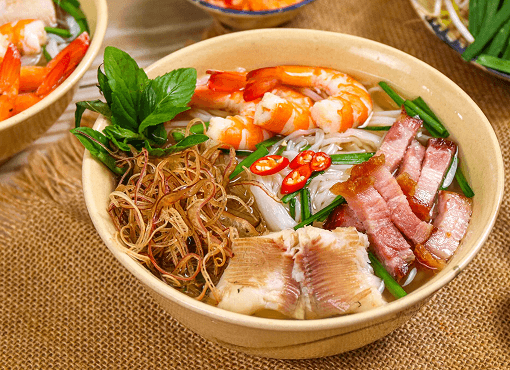
Bún Nước Lèo (Khmer-Style Noodle Soup)
A specialty of the Khmer community of Trà Vinh. This noodle soup features a broth with fermented fish sauce (mắm) and is served with snakehead fish, shrimp, roasted pork and an assortment of fresh vegetables.
Discover more interesting things to do in Vietnam in our blog.
Plan Your Vietnam Adventure Today!
From stunning landscapes to rich cultural experiences, Vietnam is the perfect holiday destination for Singaporeans.
Whether you’re planning a short escape or a full adventure, our Vietnam tour packages from Singapore give you the best value, comfort, and memories.
Explore the best of Vietnam with our curated travel guides, tips, and destination highlights. From vibrant cities and cultural landmarks to scenic landscapes and local food experiences, discover everything you need to plan your perfect Vietnam adventure.
Click on each article to learn more and start exploring.